A sewage overflow can leave behind serious property damage, cleanup costs, and questions about what went wrong. In some cases, the system may simply have received more wastewater than it could handle. In others, a blockage, pump failure, poor maintenance, or design problem may have caused the overflow. A sewage flooding expert witness can examine the system and determine whether inadequate drainage capacity played a role.
I look at the full system rather than focusing on the overflow alone. My investigation can include sewer lines, pump stations, pipes, site conditions, system records, and weather or flow information. The goal is to understand what happened and whether the system had enough capacity for the conditions it faced.
What Does Drainage Capacity Mean?
Drainage capacity refers to how much water or wastewater a drainage system can safely move or manage. Every system has limits. Pipes, pumps, channels, storage areas, and other parts must be able to handle the amount of flow entering the system.
When too much flow enters a system, the water may back up or overflow. However, high flow does not automatically mean that the system was poorly designed. I need to look at why the flow was high and whether the system should have been able to handle it.
That distinction can become important in a dispute. A system may have had enough capacity under normal conditions but failed because another problem reduced its ability to move wastewater.
How Do I Determine What Caused the Overflow?
I start by building a clear picture of the system. I review available engineering plans, inspection records, maintenance logs, operating information, repair records, photographs, and other case documents.
I also examine the physical system when a site inspection is appropriate. I may look at sewer pipes, pump stations, wet wells, force mains, valves, drainage structures, and other related equipment.
Then, I work through the timeline. When did the overflow begin? How long did it continue? What was happening in the system before the event? Were there earlier signs of trouble?
These details can help show whether the overflow was caused by limited capacity or by another failure.
Was the System Large Enough for the Expected Flow?
One of the key questions is whether the drainage or sewer system was designed to handle the amount of flow it was expected to receive.
I review the system’s design, size, layout, and operating conditions. I also consider the area served by the system and how wastewater reaches the point where the overflow occurred.
If the available information shows that the system was too small for expected conditions, inadequate capacity may have contributed to the event. On the other hand, if the system should have handled the flow, I look for other reasons why it did not.
This is where engineering judgment matters. The answer is rarely found by looking at one pipe or one piece of equipment.
Could a Blockage or Equipment Failure Be the Real Cause?
Yes. A blockage can reduce the amount of wastewater a pipe can carry, even when the pipe was properly sized. Roots, grease, debris, sediment, or other materials can restrict flow.
Pump stations can also create problems. A failed pump, electrical issue, control problem, or damaged valve may prevent wastewater from moving through the system as intended.
I have experience with wastewater pump stations, sewer systems, and related infrastructure. During a failure investigation, I consider whether the reported overflow is consistent with the condition of the equipment and the records showing how the system was operating.
This helps separate a true capacity problem from a failure that only made the system appear to lack capacity.
How Can Records Help Establish the Cause?
Records can provide valuable clues about what happened. Maintenance logs may show whether the system had a history of blockages or equipment problems. Inspection reports can reveal damaged or deteriorating pipes. Operating records may show pump performance or changes in flow.
I also review repair records and reports from the time of the overflow. These materials can help establish when a problem started and whether someone had already identified it.
Weather and rainfall records may also matter when stormwater entered a sewer system or affected drainage conditions. I consider these records along with the physical evidence rather than relying on any single source.
What Role Does Expert Testimony Play in Drainage Disputes?
In drainage system failure litigation, the parties may have very different views about why an overflow occurred. One side may claim that the system was too small. Another may point to maintenance, a blockage, a pump failure, or unusual flow conditions.
My role as a sewage flooding expert witness is to examine those claims from an engineering standpoint. I review the evidence, test the different explanations against the known facts, and explain my findings clearly.
I do not decide who is legally responsible. Instead, I provide an independent technical opinion that can help attorneys, judges, and other decision-makers understand the engineering issues.
When Is a Capacity Investigation Useful?
A detailed capacity investigation can be helpful when an overflow causes significant property damage or leads to a dispute between property owners, utilities, contractors, municipalities, insurers, or other parties.
I consider the design of the system, its actual condition, its maintenance history, operating records, and the circumstances surrounding the overflow. I also look at whether another problem may have reduced the system’s ability to carry wastewater.
As a sewage flooding expert witness, my goal is to connect the evidence to the failure in a clear and practical way. That means explaining not only whether the system had enough capacity, but also what caused the actual overflow and whether the evidence supports the proposed explanation.
FAQs
Q1. What can cause a sewage overflow?
Ans: A sewage overflow can result from inadequate capacity, blocked pipes, pump failures, damaged infrastructure, poor maintenance, or unusual flow conditions. I examine the specific system and available evidence to identify the most likely cause.
Q2. How can an expert determine whether a drainage system had enough capacity?
Ans: I review the system design, pipe sizes, pump capacity, expected flow, operating records, site conditions, and other available information. I then compare the system’s expected performance with the conditions present during the overflow.
Q3. Can a blockage cause an overflow even when the system has enough capacity?
Ans: Yes. A blockage can restrict flow and cause wastewater to back up even when the underlying system was properly sized. I look at inspection records, maintenance history, and physical evidence to determine whether a blockage may have contributed.
Q4. What records are useful in a sewage flooding investigation?
Ans: Engineering plans, maintenance records, inspection reports, repair documents, operating logs, photographs, flow information, and weather records can all be useful. Together, they can help establish the condition and performance of the system.
Q5. Can an expert witness help with drainage system failure litigation?
Ans: Yes. I can investigate the technical cause of an overflow, review the opinions of other parties, prepare a report, and provide testimony when needed. My focus is on explaining what the engineering evidence shows.
Why Retain Bonneau Dickson as Your Expert Witness?
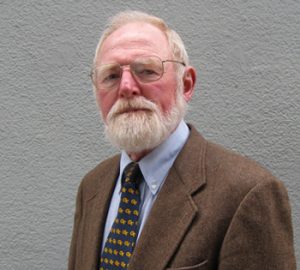
I am Bonneau Dickson, PE. I have decades of experience working with water and wastewater systems, including sewer lines, wastewater pump stations, water lines, wells, and treatment facilities.
My forensic engineering work has involved more than 100 water, wastewater, and stormwater cases. I bring that practical experience to each investigation, whether the issue involves a sewage backup, pump station problem, sewer failure, or drainage concern.
When a sewage overflow leads to questions about system capacity and cause, I focus on the facts, the system, and the available evidence. I then explain my findings in clear terms that can be understood by both engineers and non-engineers.
Get the Engineering Facts on Your Side
A sewage overflow can become a complicated dispute when the cause is unclear. I bring my experience with sewer systems, pump stations, and wastewater failures to these cases, helping uncover what the system was designed to do and what actually happened. Bonneau Dickson, PE, can provide the engineering insight your case requires.